
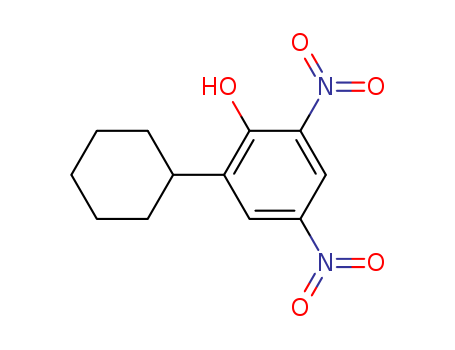
Details
Manufacturer Sells Best Quality 2-CYCLOHEXYL-4,6-DINITROPHENOL 131-89-5 with stock
- Molecular Formula: C12H14 N2 O5
- Molecular Weight: 266.254
- Melting Point: 106°C
- Refractive Index: 1.6660 (estimate)
- Boiling Point: 320.9°Cat760mmHg
- PKA: 4.08±0.38(Predicted)
- Flash Point: 129.6°C
- PSA: 111.87000
- Density: 1.381g/cm3
- LogP: 4.30270
2-CYCLOHEXYL-4,6-DINITROPHENOL(Cas 131-89-5) Usage
|
General Description |
Yellow crystals. |
|
Reactivity Profile |
Reacts with oxidizing materials and combustibles [USCG, 1999]. Special Hazards of Combustion Products: Can detonate or explode when heated under confinement [USCG, 1999]. Aromatic nitro compounds, such as 2-CYCLOHEXYL-4,6-DINITROPHENOL, range from slight to strong oxidizing agents. If mixed with reducing agents, including hydrides, sulfides and nitrides, they may begin a vigorous reaction that culminates in a detonation. The aromatic nitro compounds may explode in the presence of a base such as sodium hydroxide or potassium hydroxide even in the presence of water or organic solvents. The explosive tendencies of aromatic nitro compounds are increased by the presence of multiple nitro groups. Phenols do not behave as organic alcohols, as one might guess from the presence of a hydroxyl (-OH) group in their structure. Instead, they react as weak organic acids. Phenols and cresols are much weaker as acids than common carboxylic acids (phenol has Ka = 1.3 x 10^[-10]). These materials are incompatible with strong reducing substances such as hydrides, nitrides, alkali metals, and sulfides. Flammable gas (H2) is often generated, and the heat of the reaction may ignite the gas. Heat is also generated by the acid-base reaction between phenols and bases. |
|
Health Hazard |
Liver damage, metabolic stimulant, dermatitis, dilation of pupils. |
|
Fire Hazard |
Special Hazards of Combustion Products: Can detonate or explode when heated under confinement. |
|
Trade name |
DN?; DN-111?; DN dry mix; MIX No. 1?; DN dust No. 12?; DOW SPRAY?-17; DRY MIX No. 1?; PEDINEX?; SN 46? |
InChI:InChI=1/C12H14N2O5/c15-10-6-2-1-5-9(10)12(14(18)19)8-4-3-7-11(12)13(16)17/h1-2,5-6,11,15H,3-4,7-8H2
131-89-5 Process route
-

-
119-42-6
2-cyclohexylphenol

-
-
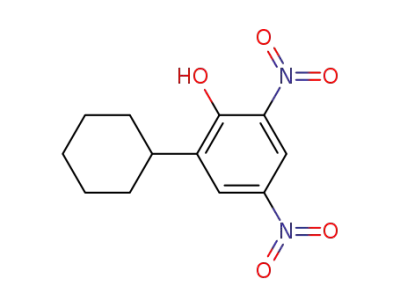
131-89-5
2-cyclohexyl-4,6-dinitrophenol
| Conditions | Yield |
|---|---|
|
With
chloroform; nitric acid;
at 15 ℃;
|
|
|
With
nitric acid; phosphorus pentoxide; ethyl acetate;
at 0 - 5 ℃;
|
|
|
With
sulfuric acid;
at 60 - 80 ℃;
Verduennen mit Wasser und Behandeln des Reaktionsgemisches mit ueberschuessiger Salpetersaeure bei 80-90grad;
|
-

-
108-93-0
cyclohexanol
-
-
131-89-5
2-cyclohexyl-4,6-dinitrophenol
| Conditions | Yield |
|---|---|
|
Multi-step reaction
with
2
steps
1: concentrated sulfuric acid
2: fuming nitric acid; P2
O5
; ethyl acetate; HNO3
/ 0 - 5 °C
With
sulfuric acid; nitric acid; phosphorus pentoxide; ethyl acetate;
|
131-89-5 Upstream products
-
119-42-6
2-cyclohexylphenol
-
7697-37-2
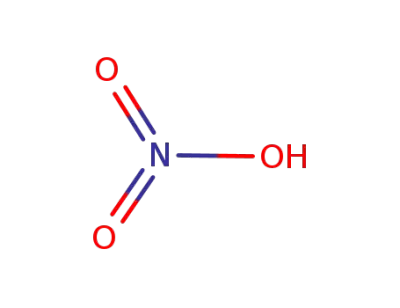
nitric acid
-
67-66-3

chloroform
-
108-93-0
cyclohexanol
131-89-5 Downstream products
-
26567-48-6
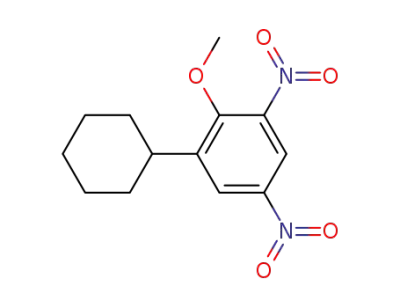
2-cyclohexyl-4,6-dinitro-anisole
-
29506-78-3
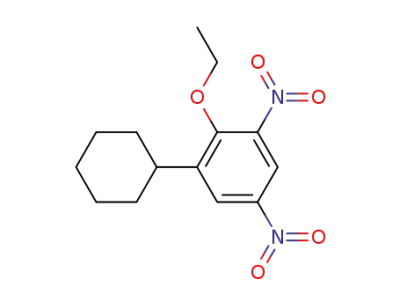
2-cyclohexyl-4,6-dinitro-phenetole
-
29516-68-5
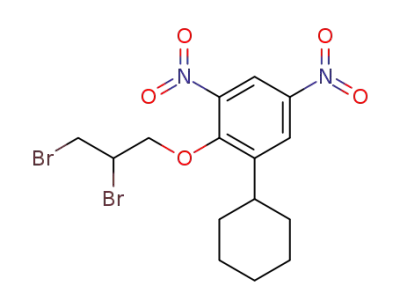
1-Cyclohexyl-2-(2,3-dibromo-propoxy)-3,5-dinitro-benzene
-
29506-79-4
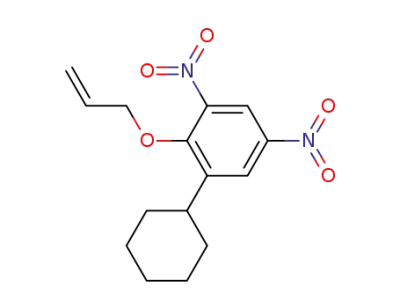
2-Allyloxy-1-cyclohexyl-3,5-dinitro-benzene
Related Products
-
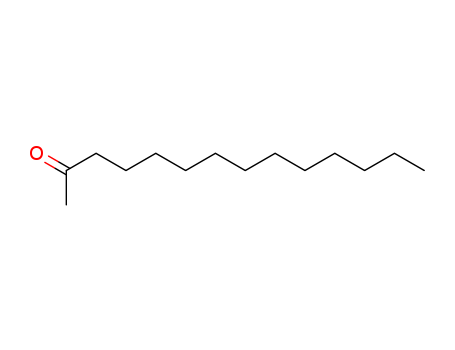 2-Tetradecanone
CAS:2345-27-9
-
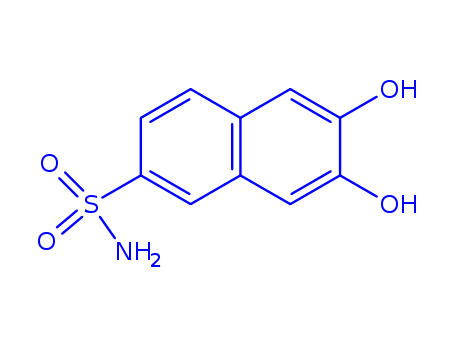 6,7-dihydroxynaphthalene-2-sulphonamide
CAS:54023-75-5
-
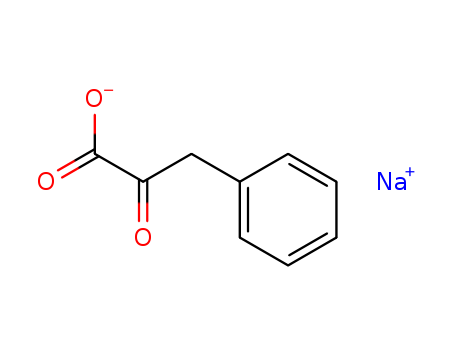 Sodium phenylpyruvate
CAS:114-76-1